
Modern aero road bikes are becoming increasingly aggressive in their design.
Over the past few years, road bike development has focused heavily on balancing low weight with overall performance. More recently, however, dedicated aero bikes have started to push aerodynamic design much further again. One of the most obvious changes is the rise of deeper, more extreme head tube shapes.
This is not simply a styling trend. It reflects a broader shift in how modern road bikes are being designed.
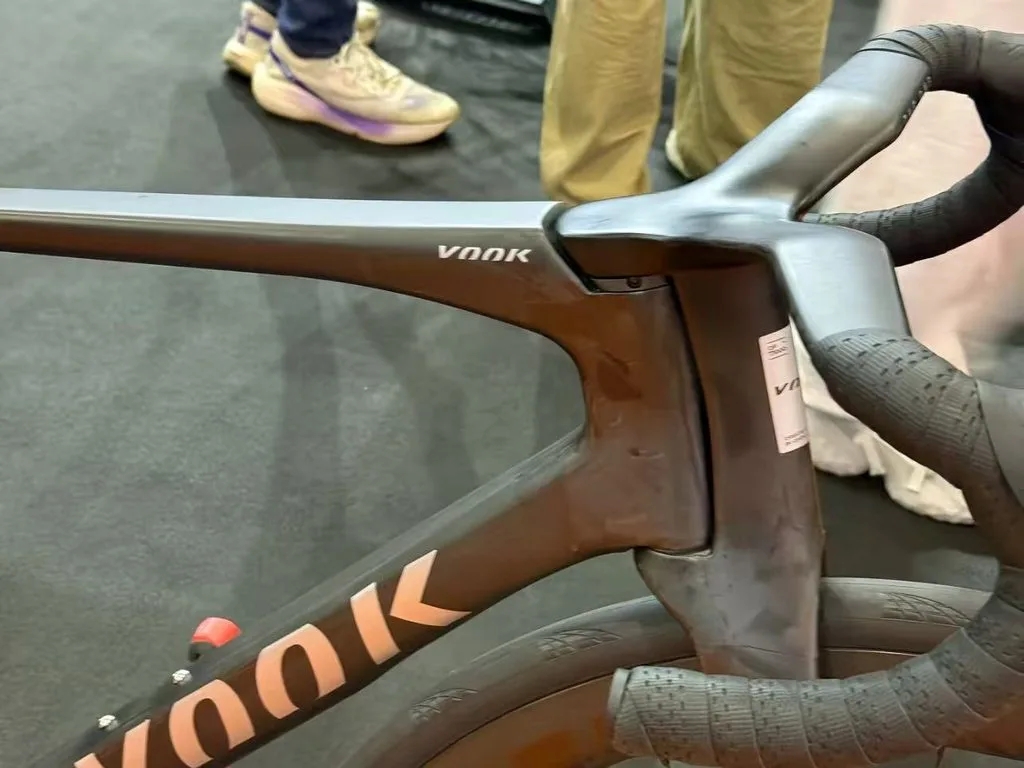
Why Are Head Tubes Getting Deeper?
For many years, bicycle frame design was restricted by relatively strict tube-shape regulations. Engineers could not freely make certain sections of the frame extremely deep and narrow.
As equipment rules evolved, manufacturers gained more freedom to experiment with larger aerodynamic profiles, especially around the front of the frame.
Because a new carbon race bike can take several years to develop, many of these design changes have only recently started appearing on production bikes.
Why Is the Head Tube Area So Important?
The handlebar, head tube, and fork are among the first parts of the bike to interact with incoming airflow.
Air moves around these areas before continuing toward the rest of the frame, wheels, and rider.
For this reason, modern aero bikes are increasingly designed around the idea that the front end should work as one complete system:
Cockpit → Head Tube → Fork → Frame
Rather than treating each component separately, engineers can create smoother transitions between them and reduce abrupt changes in shape.
This can help improve airflow management around the front of the bike.
Front-End Integration Is Becoming More Important
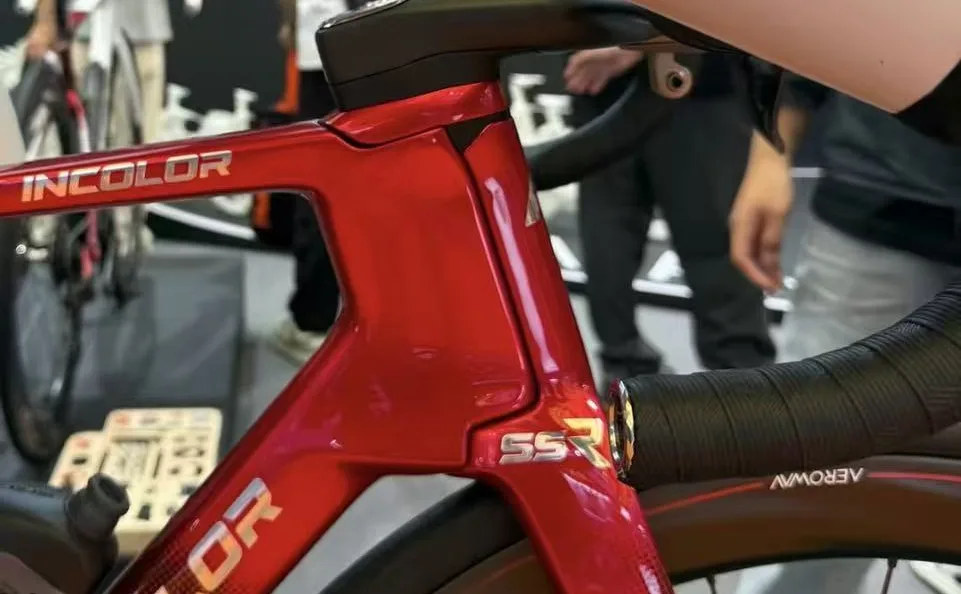
Many modern aero road bikes now combine:
- One-piece carbon cockpits
- Fully internal cable routing
- Integrated headset spacers
- Smoother stem-to-top-tube transitions
- More integrated fork and head tube shapes
These design choices all follow the same general idea:
The front of the bike should behave as one connected structure rather than a collection of separate parts.
On older road bikes, the handlebar, stem, spacers, headset, and frame were visually and structurally more independent.
Modern designs increasingly try to make these areas look and function as one system.
A Larger Head Tube Does Not Automatically Mean a Higher Riding Position
This is one of the most common misunderstandings.
A visually larger or deeper head tube does not necessarily mean the handlebars sit higher or that the bike has a more relaxed riding position.
It is important to separate two concepts:
Head Tube Depth
The front-to-back aerodynamic profile of the head tube.
Stack Height
The vertical frame geometry that influences the final handlebar position.
They are not the same thing.
Manufacturers can still control rider position through:
- Cockpit rise
- Stem angle
- Spacer configuration
- Frame geometry
That means riders should still look at stack, reach, stem length, and final cockpit position rather than judging fit from the appearance of the head tube alone.
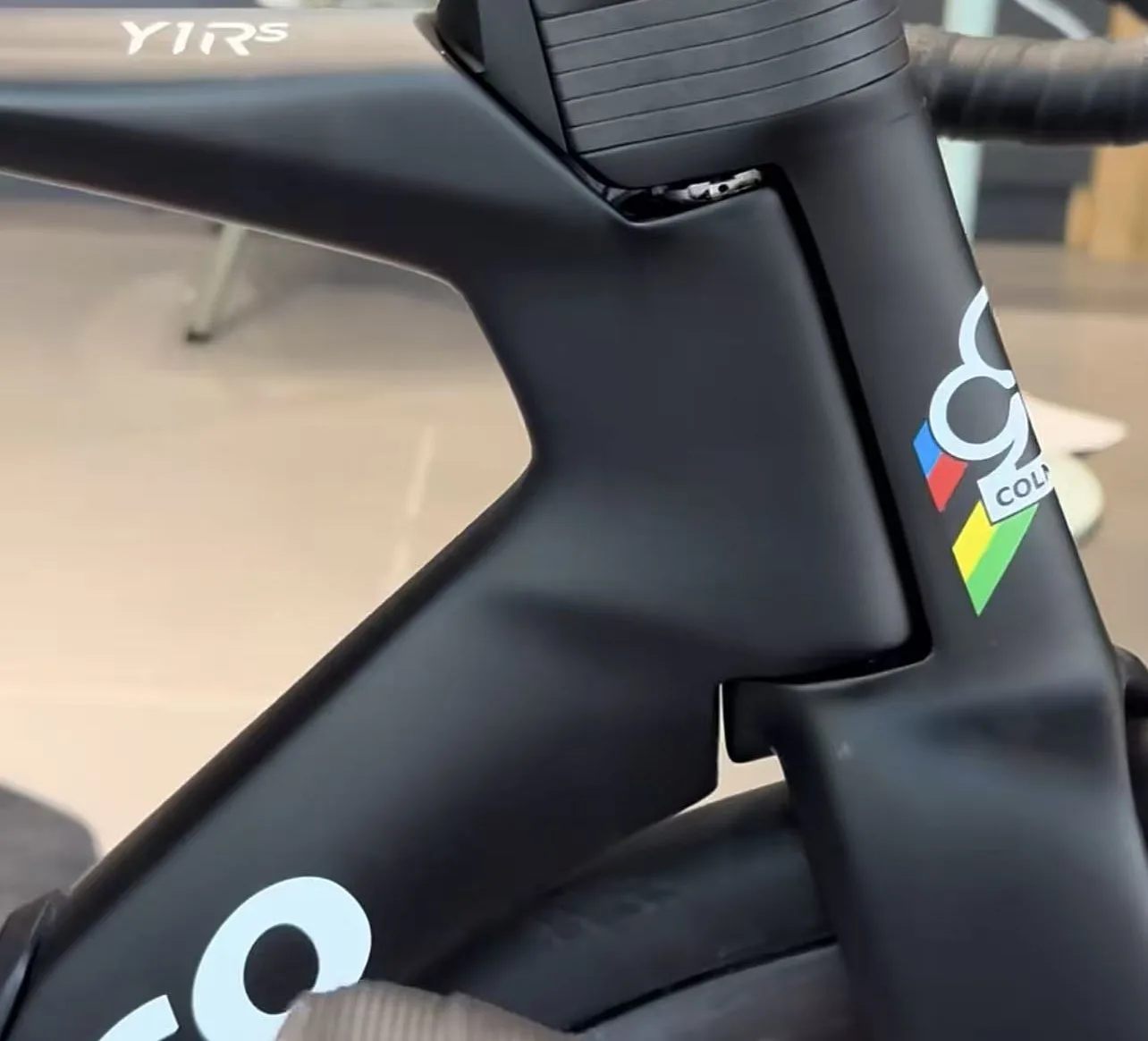
Why Not Make the Head Tube Even Deeper?
Aerodynamics is only one part of road bike design.
Larger and deeper frame sections can also affect:
- Frame weight
- Crosswind behavior
- Structural requirements
- Handling
- Manufacturing complexity
That means the goal is not simply to make the deepest possible head tube.
A well-developed aero bike needs to balance:
Aerodynamics, weight, stability, structure, and ride characteristics.
The best solution is usually the one that improves airflow without creating unnecessary compromises elsewhere.
Why Do Modern Aero Bikes Look More Like Time-Trial Bikes?
Another noticeable trend is that aero road bikes are beginning to share more design language with time-trial bikes.
This is especially obvious around the front end.
Modern aero bikes are increasingly focused on:
- Cockpit and top-tube integration
- Head tube and fork transitions
- Hidden cable routing
- Airflow around the rider and front of the bike
Aerodynamic development is no longer just about making individual frame tubes narrower or deeper.
The goal is increasingly to manage airflow around the entire bicycle and rider system.
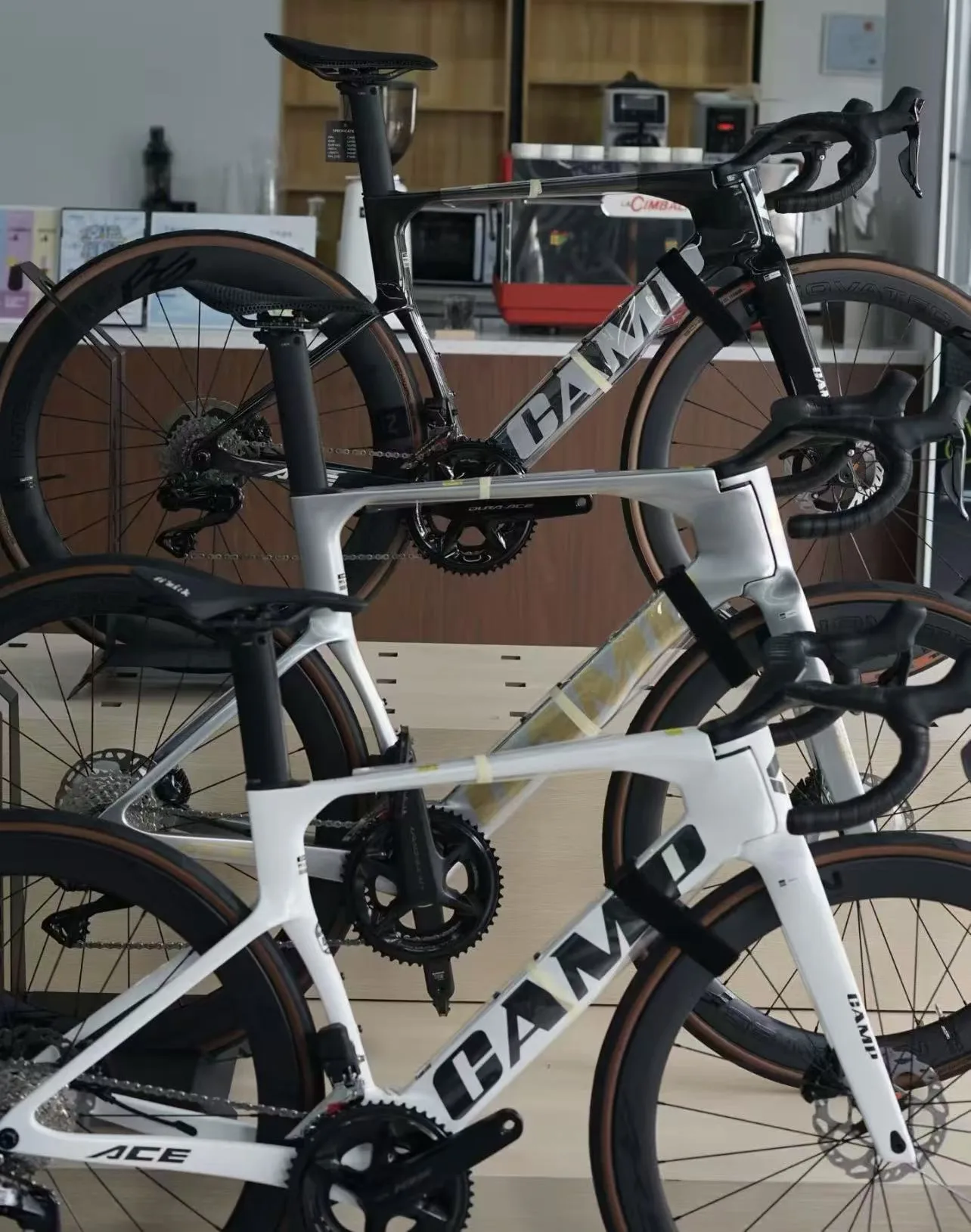
The Bigger Trend Is System Integration
The deep head tube is only the most visible part of a larger change.
Modern road bikes are moving away from designing every component independently and toward a more integrated approach.
Aerodynamic development increasingly considers the relationship between:
Frame
Fork
Cockpit
Head Tube
Wheels
Seatpost
Rider Position
This is why modern aero bikes can look dramatically different from bikes designed only a few years ago.
The question is no longer simply:
How aerodynamic is the frame?
A better question is:
How effectively does the entire bike and rider system manage airflow?
A Simple Way to Understand the Deep Head Tube Trend
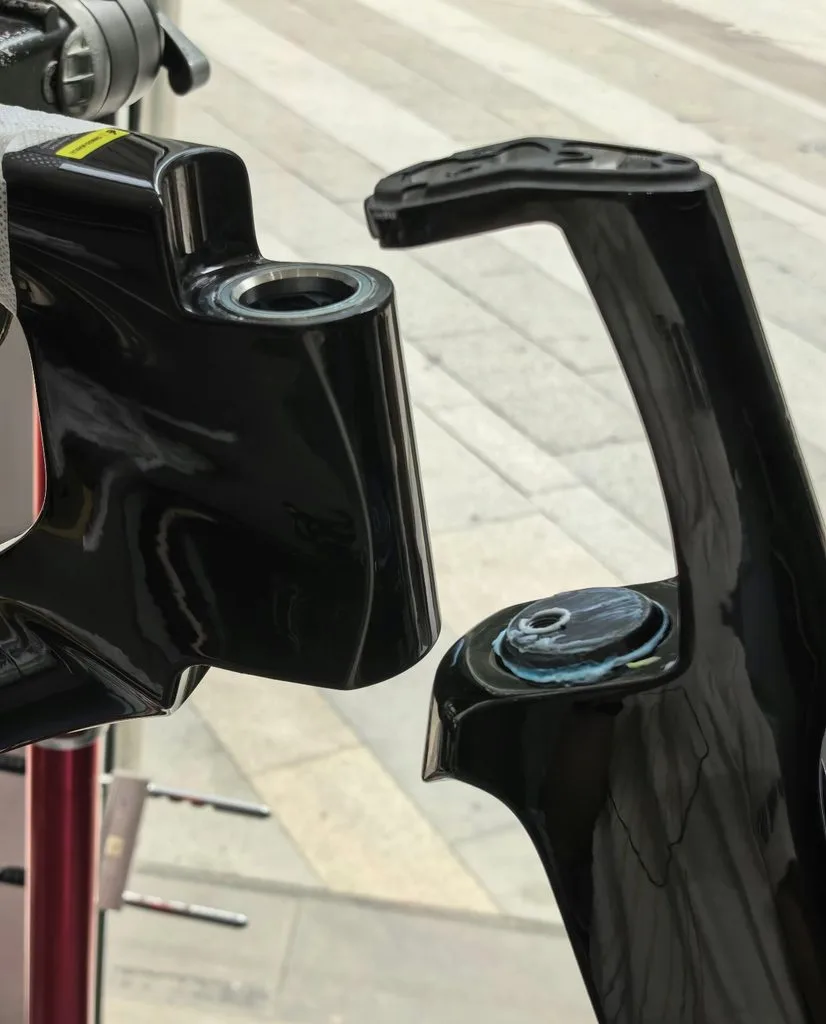
The trend can be summarized like this:
More design freedom
↓
Deeper aerodynamic tube shapes
↓
Greater cockpit and head tube integration
↓
A more unified front-end structure
↓
Whole-bike aerodynamic optimization
Extreme head tubes should not be viewed only as a new visual style.
They represent a broader shift in modern aero bike development.
The industry is moving from optimizing individual components toward optimizing the entire bike as one system.
As modern bikes continue to become lighter and more integrated, the next challenge may not simply be making a bike lighter or more aerodynamic.
It may be finding the best balance between:
Weight, aerodynamics, handling, and integration.