Introduction
In high-performance road cycling, trust is earned in two places: on the race circuit and on the production line. Many brands can publish impressive specifications, but fewer can prove that their bikes hold up under season-long race stress and still deliver consistent quality at scale.
XDS (Xidesheng) has been building its brand narrative around that exact loop: WorldTour team validation → engineering iteration → manufacturing consistency → reliable delivery. This article explains that strategy in a professional but easy-to-follow way—especially through the lens of team racing, carbon technology, and manufacturing process.
⸻
1) Brand Positioning: Why XDS Emphasizes “In-House” Engineering and Manufacturing
XDS frequently highlights in-house design/manufacturing and an efficient “factory-to-market” system. In the cycling industry, that language usually points to two important capabilities:
(1) More Control Over the Engineering Chain
When a brand controls more of the process—materials, layup plans, molding, finishing, and assembly standards—it can:
• iterate faster, and
• keep technical standards more consistent across the product line.
(2) Better Batch Consistency
For performance riders—and especially teams—consistency matters. A bike that feels great is important. A bike that feels the same every time you replace a frame or build a second bike is even more important. Tight control over production tends to reduce variation in:
• geometry and alignment
• fit-related tolerances
• assembly interfaces (headset, bottom bracket, cable routing)
• overall ride feel from one unit to the next
⸻
2) Team Proof: What “XDS Astana Team” Actually Signals
2.1 WorldTour Is Not Just Marketing—It’s a Stress Test\
When a brand shows up in the WorldTour environment, the demands are very different from consumer testing:
• High mileage + high intensity: fatigue loads accumulate fast.
• Constant travel and repeated assembly/disassembly: any weakness in tolerances, routing, or interface design becomes obvious.
• Crashes and fast replacements: teams need equipment that can be swapped and re-built quickly without surprises.
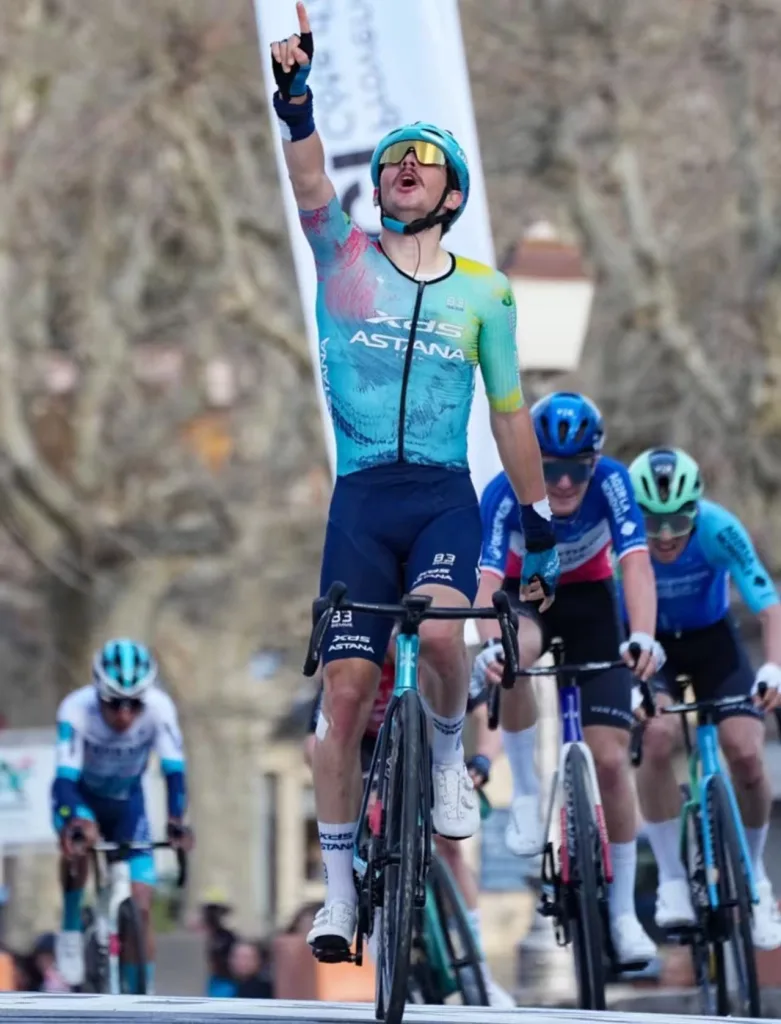
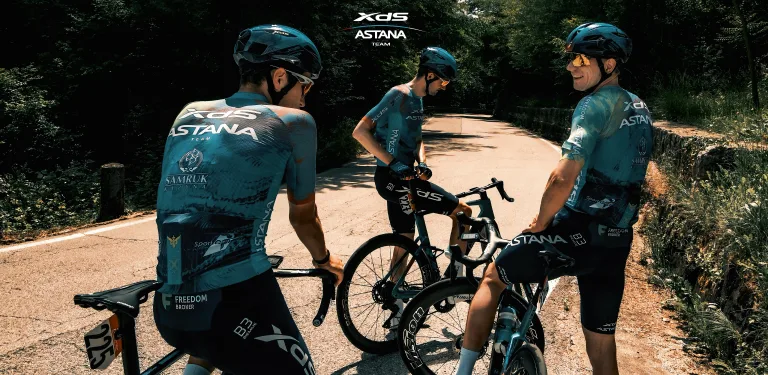
XDS became the title sponsor of a WorldTour-level team under the name XDS Astana Team, and public reporting has framed this as a long-term partnership rather than a short campaign. For brand credibility, that is a meaningful signal: top-tier racing is expensive, demanding, and highly visible.
2.2 “Team Bikes” Matter Only If They Become a Real Platform
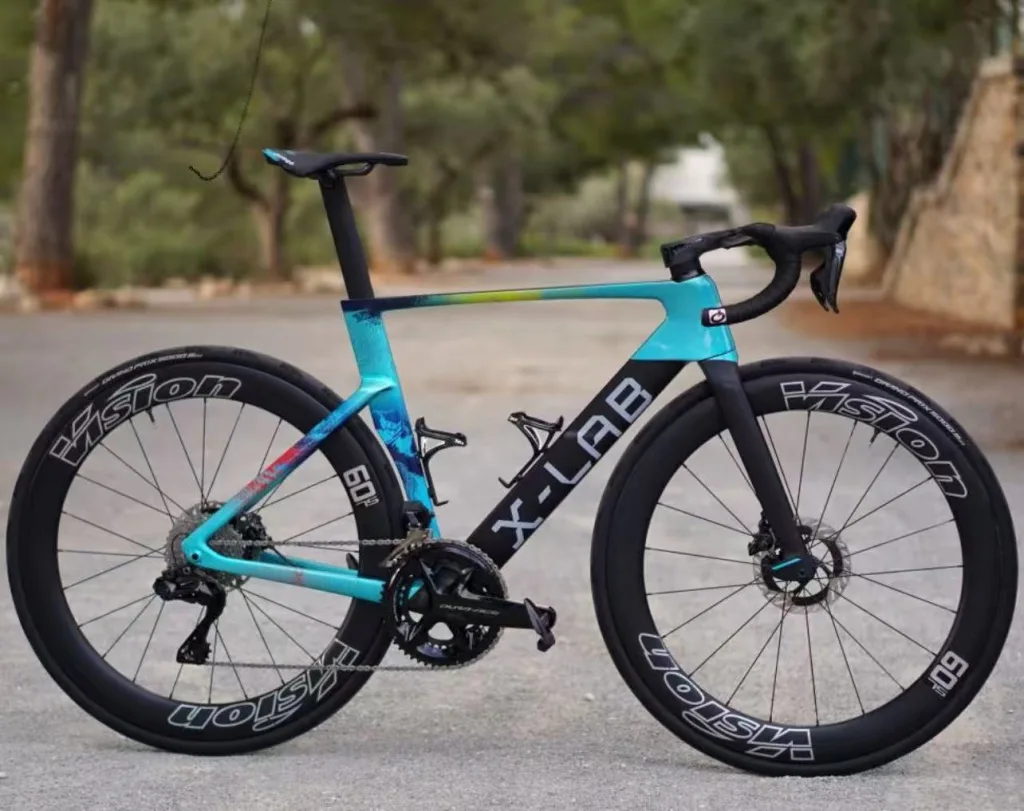
A key detail is that this is not just “logo placement.” Coverage around the team has pointed to the use of an X-LAB bike platform in the team environment. That matters because it connects the brand’s team presence to an actual engineering and product platform, not only sponsorship.
⸻
3) Carbon Frames: What Matters Beyond “It’s Carbon”
Many bikes are labeled “carbon,” but team-level performance depends on how carbon is used—not the word itself. Professional evaluation usually centers on three areas:
3.1 Materials System: The Foundation of Performance and Durability
Carbon frames are a combination of fiber + resin + process. Serious brands invest in:
• selecting the right fiber types for different frame zones
• controlling resin content
• ensuring stable curing and compaction
In practical terms: a well-controlled carbon process tends to produce frames that are more predictable in stiffness, durability, and long-term ride quality.
3.2 Structure: Teams Want Directional Stiffness, Not “Maximum Stiffness”
A common misunderstanding is that stiffer is always better. In race and training reality, teams want stiffness in the right directions:
• Bottom bracket / down tube area: efficient power transfer and torsional control during sprinting and climbing
• Head tube / front triangle: steering accuracy and high-speed stability
• Rear triangle / seat area: controlled compliance to reduce fatigue over long stages
A well-designed carbon frame is not “hard everywhere.” It is efficient where power matters and forgiving where comfort protects performance.
3.3 Manufacturing Process: The “Hidden Metrics” That Decide Long-Term Quality
Many of the most important quality factors are invisible once the frame is painted:
• Compaction and void control: reduces internal defects and improves fatigue behavior
• Wall-thickness and tolerance control: improves consistency in weight and ride feel
• Junction transitions (head tube, bottom bracket, chainstay roots): reduces stress concentration and improves durability
These are the areas where disciplined manufacturing can meaningfully separate a race-capable platform from a frame that only looks good on paper.
⸻
4) Example Platform Perspective: Why an Aerodynamic Race Frame Matters (Without Overcomplicating It)
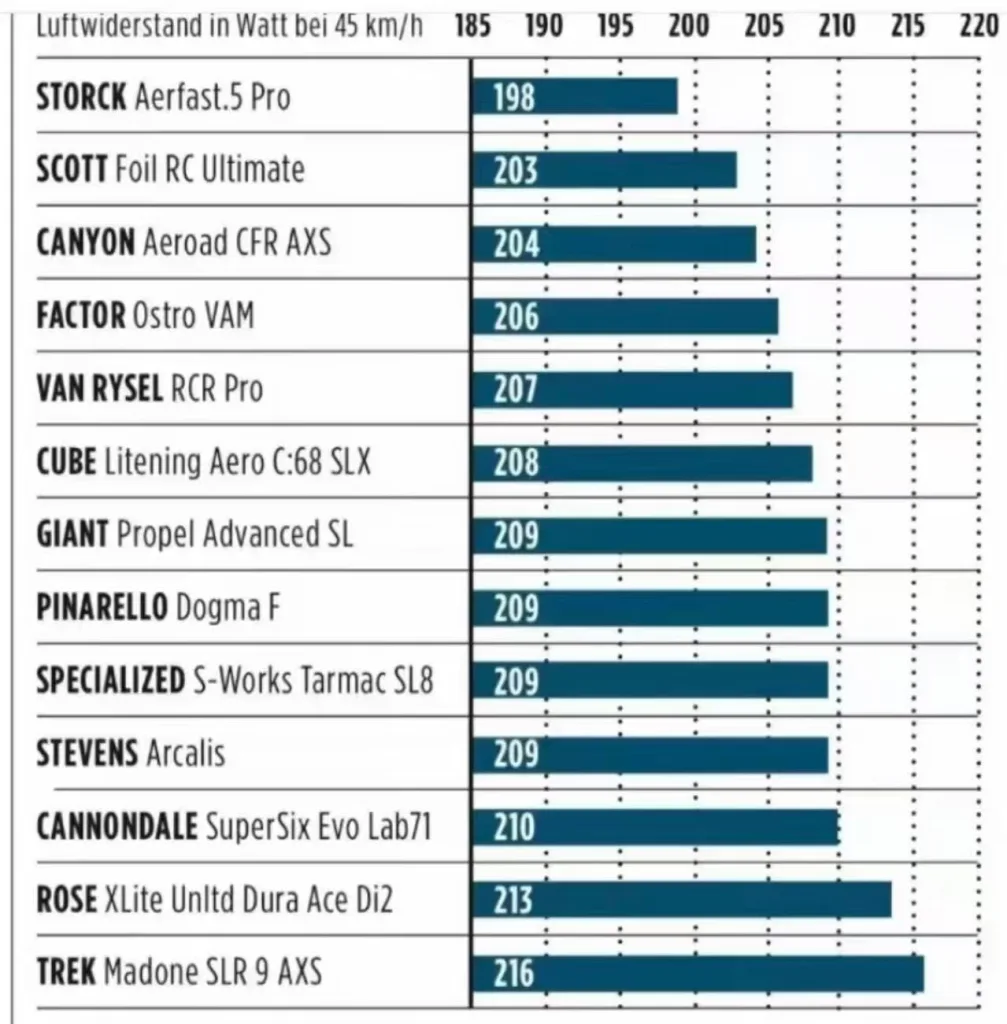
When a brand promotes an aero platform (such as X-LAB’s race-oriented models), it helps to understand the real value in simple terms:
(1) Fast on Flat Roads Is Often About Efficiency
Aero design does not always feel like a dramatic speed jump in a short sprint. Its main benefit is that it can help a rider:
• maintain higher speed with less energy,
• especially when riding hard for long periods.
(2) Race Platforms Must Balance Speed With Handling
In real racing, stability and steering precision matter as much as pure speed:
• sprint lines
• high-speed corners
• descents
• crosswind conditions
A serious race platform should aim to keep the bike predictable when the pace is high and the rider is under fatigue.
(3) Teams Care About Repeatability
A team platform is not just one “hero bike.” It needs to be:
• consistent across multiple builds
• serviceable quickly
• reliable through a long season
⸻
5) Why Buy XDS Through a Specialist Retailer (and Not “Anywhere”)
If your goal is to promote the brand and convert customers, the strongest message is not “buy it now.” It is:
“We help you choose and set it up the way a team would.”
Before purchase, we recommend providing four simple details:
1. Height + inseam (fit baseline)
2. Your typical terrain (flat / climbing / mixed)
3. Weekly riding frequency and mileage
4. Whether you plan to race or do structured training
Based on that, a specialist can guide:
• model/platform selection (aero vs balanced vs endurance)
• sizing and starting cockpit setup (stem length, spacer height guidance)
• tire width and pressure direction for efficiency and comfort
• upgrade roadmap (wheels, contact points, drivetrain priorities)
This approach reduces the #1 reason riders regret a purchase: not the brand, but wrong fit and wrong platform for the rider’s real use case.